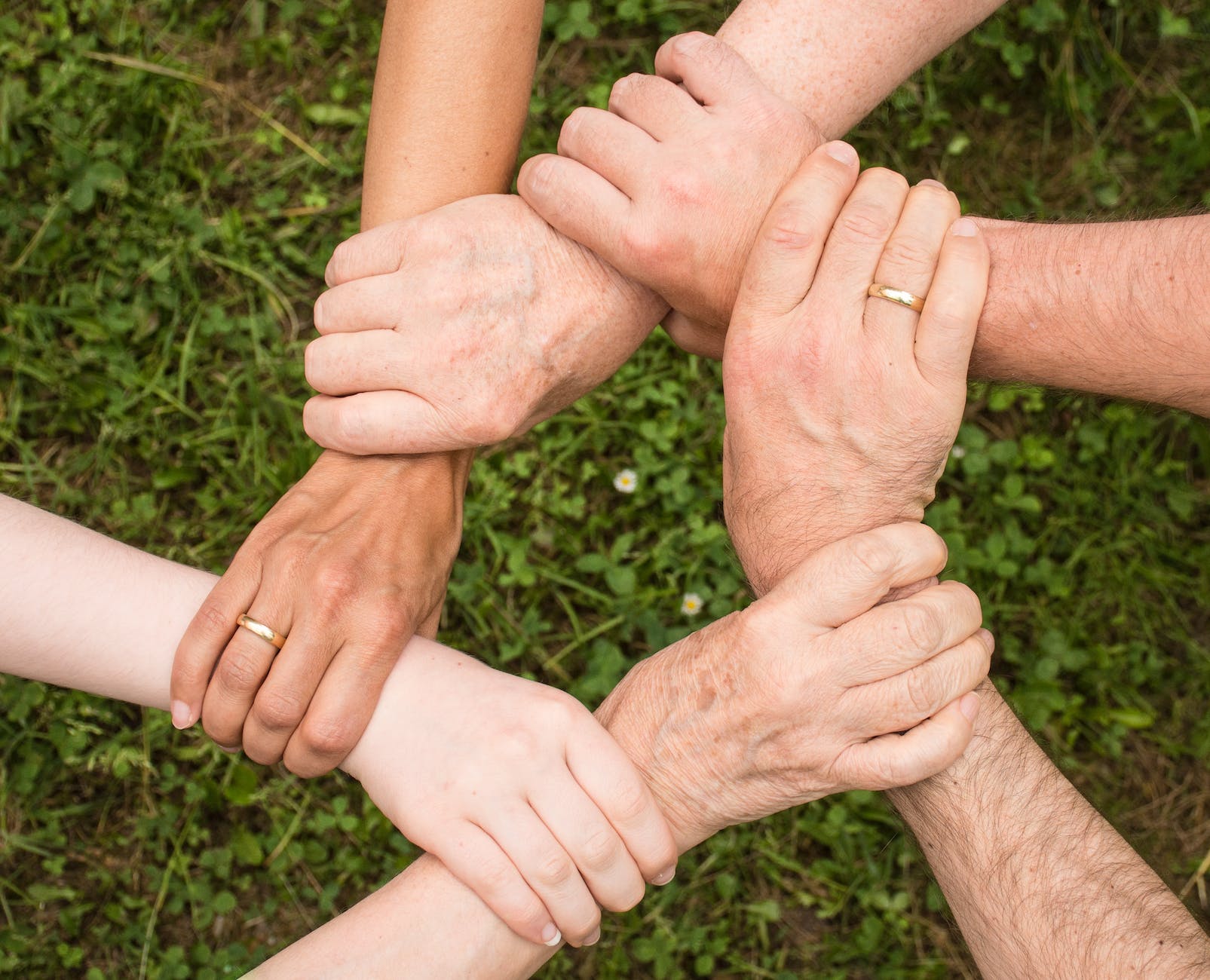
Altruism is a form of selflessness. These are moments and acts – big and small – when individuals prioritize the well-being of others before their own.
At perhaps a more basic level, there are several examples of altruism in nature. For instance, animals such as honeybees and ants work together in large groups to ensure the survival and well-being of the entire colony. Likewise, we as humans tend to band together during natural disasters and turmoil.
While the idea may seem a bit fluffy and pie in the sky, altruism has connections to psychology, philosophy, and biology – just to name a few. And, it’s worth examining altruism in the pursuit of living more fulfilled and making a positive impact in your sphere of influence.
Many philosophers and scientists argue that true altruism is impossible since human behavior is ultimately driven by self-interest. Normally, we’re looking out for ourselves – numero uno. But, what do you think? Do you agree that acts of kindness towards others are ultimately motivated by the desire for personal gain?
More than a post on IG or bragging rights, some argue that genuine altruism does exist and that human actions can stem from a desire to help others, even if it means sacrificing your own interests.
I’m a believer.
I think there are times when humans feel a deep responsibility towards others and causes that prompt them to act even when it may be an inconvenience or run the risk of loss. For example, we can consider the heroic acts of community workers, like police officers and firefighters, who risk their lives to ensure the safety of others. Sure, we could say that it is their job to serve, but I believe it is deeper than that and perhaps altruism is a factor in the reason why some people put their lives on the line for others.
I know several educators who are career changers because they felt a calling to work with young people, even though it generally came with a significant pay cut.
But, sacrifice doesn’t have to mean it is only beneficial to the recipient. In fact, acts of altruism can have a positive impact on both the recipient and the giver. It is much like a symbiotic relationship. Think of altruism as a win-win.
When people engage in acts of kindness, it triggers the release of hormones such as dopamine, oxytocin, and endorphins, which are known to promote feelings of happiness and reduce stress levels. Moreover, being altruistic has been linked to an increased sense of purpose and meaning in life, which has been shown to have a positive impact on mental health. This then can has a ripple effect in our homes and our communities. The impact of altruism multiplies to more and more people.

On a regular basis, altruism is often expressed through charitable acts such as donations to charities or volunteering in community service. However, we should remember altruism is not restricted to large-scale acts of kindness. Being thoughtful in general, such as opening a door for someone or smiling at a stranger, can also have a significant impact on the individual’s well-being and promote a culture of kindness. These gestures don’t always make the headlines, but they definitely help to make a positive difference as elevate the welfare of others. It costs nothing, but the payoff and reward are beyond significant.
Regardless of the debate regarding who are the ultimate end users and beneficiaries of altruistic acts, we can all agree that these contributions of compassion are essential for building a kinder society we all aspire to live in.